Magnesium Glycinate vs Citrate: Which is Better for Athletes? (2026)
Magnesium glycinate vs citrate – which is better? Most articles answering this question online are written for general health audiences, not athletes. The form of magnesium you choose matters more than most people realize. Both glycinate and citrate are significantly better than the cheap magnesium oxide found in most grocery store supplements, but they work differently in your body and suit different training goals. This guide cuts through the confusion with a direct, science-backed comparison focused specifically on muscle recovery, sleep, and athletic performance.
Note: This post contains affiliate links. If you buy through our links we may earn a commission at no extra cost to you.
What is magnesium glycinate?
Magnesium glycinate – also called magnesium bisglycinate – is elemental magnesium bound to glycine, an amino acid your body produces naturally. The chelated structure protects the magnesium from stomach acid and competing minerals in your digestive tract, allowing for steady, efficient absorption without the digestive disruption common to other forms. Glycine is not just a delivery mechanism – it is an active compound in its own right. It works alongside GABA, the primary inhibitory neurotransmitter in your brain, to promote relaxation, reduce muscle tension, and improve deep sleep. For athletes this dual action – magnesium replenishment plus glycine’s calming effect – makes glycinate the most recovery-focused form available.
What is magnesium citrate?
Magnesium citrate is elemental magnesium bound to citric acid – the same organic acid found naturally in citrus fruits. It is one of the most bioavailable and affordable forms of magnesium on the market and absorbs well compared to inorganic forms like magnesium oxide. The defining characteristic of magnesium citrate is its osmotic effect – it draws water into the intestines which stimulates bowel movements. This makes it a legitimate and effective option for digestive regularity, but it also means that higher doses or sensitive individuals can experience loose stools or cramping. For athletes taking magnesium primarily for recovery and sleep, this laxative effect is more liability than benefit.
Magnesium glycinate vs citrate – head to head comparison
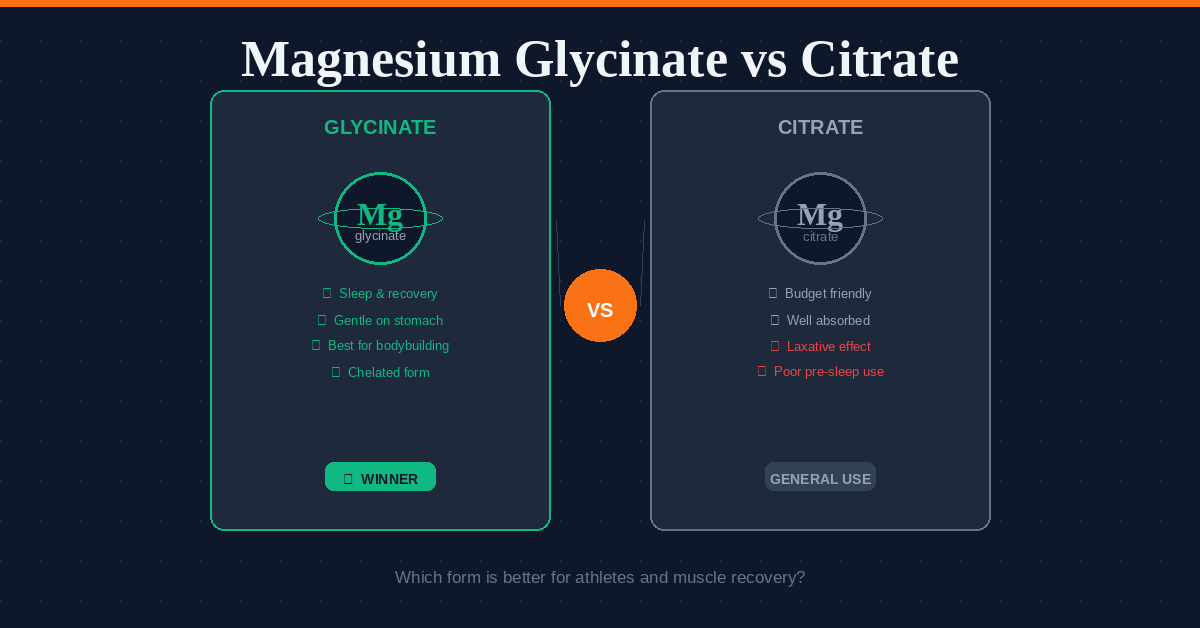
Absorption: Both forms absorb significantly better than magnesium oxide. Citrate has slightly higher measured bioavailability in some studies due to its water solubility. Glycinate’s absorption is slightly lower by raw measurement but its chelated structure means it reaches muscle tissue more efficiently with less GI interference. For practical purposes both are well absorbed – the difference is not clinically significant for most people.
Stomach tolerance: Glycinate wins clearly. The chelated form does not draw water into the intestines and does not cause the laxative effect associated with citrate. Athletes taking 300-400mg daily for recovery can do so consistently without digestive issues. Citrate at higher doses frequently causes loose stools which is not only inconvenient but can interfere with hydration – a genuine performance concern.
Sleep and recovery: Glycinate wins. The glycine component directly supports GABA activity, muscle relaxation, and sleep quality in a way that citrate does not. Research shows that glycine supplementation alone improves sleep quality and reduces daytime fatigue – magnesium glycinate delivers both minerals and this calming amino acid in a single supplement.
Cost: Citrate wins. Magnesium citrate is generally 20-40% cheaper per dose than glycinate. For anyone on a tight supplement budget who doesn’t experience digestive issues with citrate, this is a legitimate consideration.
Best for athletes: Glycinate wins on balance. Superior stomach tolerance, better sleep support, and equivalent muscle recovery benefits at a modest price premium make it the clear choice for anyone training regularly.
Which is better for muscle recovery?
For muscle recovery specifically, magnesium glycinate is the stronger choice. A systematic review published in Nutrients found that 350mg of magnesium glycinate daily significantly reduced muscle soreness at 24, 36, and 48 hours post-exercise compared to controls. This is one of the few studies using the glycinate form specifically rather than magnesium in general – and the results are directly applicable to gym training and bodybuilding recovery. Magnesium plays a direct role in post-workout recovery by activating protein synthesis enzymes, regulating muscle contraction and relaxation cycles, and reducing inflammation markers after intense training. The glycinate form delivers these benefits without the digestive interference that can accompany citrate at recovery-appropriate doses.
Magnesium glycinate for bodybuilding – what the research shows
Bodybuilders and strength athletes lose magnesium through sweat at rates significantly higher than sedentary people. Studies show that athletes consistently present with lower magnesium levels than non-athletes even when their diets appear adequate. This deficit compounds over time – reducing strength output, increasing cramping, impairing sleep quality, and slowing recovery between sessions.
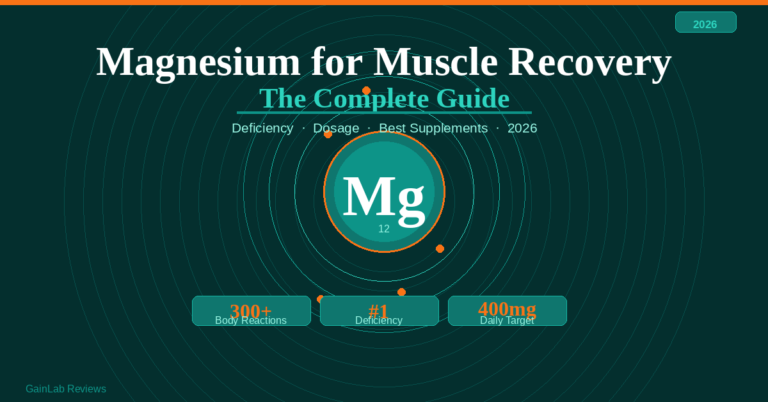
Magnesium glycinate addresses this in several ways that matter specifically to bodybuilders. First, it supports the calcium-magnesium balance that governs muscle contraction and relaxation – low magnesium means muscles cannot fully relax between contractions, which increases fatigue and injury risk. Second, glycine itself promotes muscle protein synthesis and has been shown to reduce inflammatory markers after resistance training. Third, the sleep-supporting effect of glycinate directly impacts muscle growth – the majority of growth hormone release and muscle protein synthesis occurs during deep sleep, and magnesium glycinate supports both sleep onset and sleep quality. For a deeper look at how magnesium supports the full recovery process see our magnesium for muscle recovery guide. Magnesium is also essential for vitamin D activation – if you supplement vitamin D, adequate magnesium intake directly affects how well it works. See our vitamin D for athletes guide for more.
Which is better for sleep?
Magnesium glycinate is the superior choice for sleep by a clear margin. The glycine component activates GABA receptors that calm the nervous system and prepare the body for deep sleep. Research published in PubMed shows magnesium supplementation significantly improves sleep quality and duration in people with insufficient magnesium levels – and the glycinate form’s tolerance for daily high-dose use makes it practical for consistent pre-bed supplementation. The standard approach is 200-400mg of magnesium glycinate taken 30-60 minutes before bed. Magnesium citrate taken before bed at effective doses frequently causes nighttime digestive disturbance which directly undermines the sleep quality you’re trying to improve.
Can you take magnesium glycinate and citrate together?
Yes – some people take a combination of both forms deliberately. The reasoning is that citrate’s slightly higher measured bioavailability combined with glycinate’s superior stomach tolerance and sleep benefits gives you the advantages of both. Split your total daily dose – take citrate in the morning with food and glycinate before bed. This approach is safe and used by some athletes who want to maximize both daytime magnesium levels and nighttime recovery. That said, for most people choosing one form consistently and taking it daily produces excellent results without the added complexity. Glycinate alone covers everything a training athlete needs.
Best magnesium supplements for athletes (2026)
For athletes the priority is a highly bioavailable form with strong third-party testing and no unnecessary additives. Here are our top picks:
Doctor’s Best High Absorption Magnesium – The best value magnesium glycinate for most athletes. Uses the TRAACS chelated bisglycinate form for maximum absorption, delivers 200mg of elemental magnesium per serving, and is widely available at an accessible price point. Excellent quality track record from a brand with decades in the industry. Our top recommendation for anyone starting magnesium supplementation.
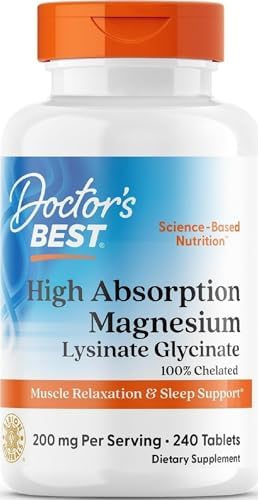
- MAGNESIUM GLYCINATE LYSINATE SUPPLEMENT: Our formula provides support for muscles, nerves, & sleep quality. It’s 100% ch…
- MAXIMUM ABSORPTION: Magnesium glycinate is good, lysinate glycinate is even better. Our magnesium mineral supplement tak…
- SLEEP AND MUSCLE RELAXATION: Magnesium supports healthy, restful sleep and relaxation by helping regulate melatonin, cor…
Best for: Most athletes looking for reliable daily magnesium glycinate at good value.
Thorne Magnesium Glycinate – The premium choice for competitive athletes. NSF Certified for Sport – the most rigorous third-party certification in the industry, required by many professional sports organizations. If you’re drug tested or need absolute certainty about what you’re consuming, Thorne is the only choice. Higher price per serving but unmatched quality assurance.

- Whole Body Wellness: Magnesium, a crucial mineral because it is involved in more than 600 of the body’s enzymatic reacti…
- Restful Sleep Support: Magnesium Glycinate contains glycine, a calming neurotransmitter, and promotes muscle relaxation …
- Stress Relief: Magnesium Glycinate helps regulate emotional well-being to promote a calm response to everyday stress, wh…
Best for: Competitive athletes, drug-tested sports, anyone who needs NSF certification.
BulkSupplements Magnesium Glycinate – The best option on cost per gram. Pure magnesium glycinate powder with no fillers or additives, third-party tested, available in large sizes from 100g to 5kg. Unflavored and mixes easily. Ideal for daily long-term use where cost matters more than convenience.

- Foundational Elements for Wellness: Magnesium Glycinate powder, one of our magnesium supplements, are the cornerstones o…
- Designed for Optimal Health: Elevate your daily wellness routine with our Magnesium Glycinate powder, or Magnesium Bisgl…
- Convenient Powder Form for Easy Integration: Say goodbye to cumbersome pill regimes! Our Magnesium Glycinate supplement,…
Best for: Budget-conscious athletes, anyone who prefers powder over capsules.
NOW Foods Magnesium Glycinate – A reliable mid-range capsule option from one of the most trusted supplement brands in the industry. Delivers 180mg of elemental magnesium per serving using a chelated bisglycinate form. GMP certified and third-party tested. Good value for daily use without compromising on quality.

- NOW FOODS Magnesium Glycinate, 240 Tablets
- PREMIUM VERSION of Magnesium glycinate which utilizes magnesium bound to the amino acid glycine, which facilitates intes…
- MANUFACTURED IN USA: NOW Foods is a family owned company and has been operating since 1968.
Best for: Athletes who want a trusted mainstream brand at a fair price.
Frequently asked questions
Is magnesium glycinate or citrate better for muscle cramps?
Both help with muscle cramps by replenishing the magnesium deficit that contributes to involuntary contractions. Glycinate is the better choice for athletes because it can be taken at effective doses consistently without causing digestive issues. Citrate at high doses can cause cramping of its own through its laxative mechanism – the opposite of what you want.
How much magnesium glycinate should athletes take?
The standard recommendation for athletes is 300-400mg of elemental magnesium per day from all sources. For supplemental magnesium glycinate specifically start with 200-300mg daily and increase gradually if needed. Take it in the evening or before bed for maximum sleep and recovery benefits. Avoid taking more than 400mg of supplemental magnesium at once as higher single doses increase the risk of digestive discomfort even with glycinate.
Does magnesium glycinate help with DOMS?
Yes – delayed onset muscle soreness involves inflammation and impaired muscle relaxation that magnesium directly addresses. The systematic review cited above showed 350mg of magnesium glycinate daily significantly reduced soreness ratings at 24, 36, and 48 hours after intense resistance training. Results take 1-2 weeks of consistent supplementation to become noticeable as muscle magnesium stores need time to replenish.
Is magnesium citrate good for pre-workout?
Magnesium citrate before a workout is not recommended. The osmotic laxative effect can cause digestive discomfort during training – exactly the wrong time. If you want to take magnesium before training use a small dose of magnesium glycinate which does not have this effect. The majority of your magnesium supplementation is better timed around the post-workout and pre-sleep window.
What is the difference between magnesium glycinate and magnesium bisglycinate?
They are the same thing. Magnesium bisglycinate refers to magnesium bound to two glycine molecules – the prefix “bis” meaning two. Some manufacturers use one term, some use the other. When you see either on a supplement label you are looking at the same compound. Bisglycinate is technically the more accurate chemical name.
The bottom line
For athletes and anyone training regularly, magnesium glycinate is the superior choice over citrate. It delivers equivalent or better magnesium replenishment, supports muscle recovery and protein synthesis directly, improves deep sleep through glycine’s action on GABA receptors, and can be taken at consistent daily doses without digestive interference. Magnesium citrate is a legitimate option for digestive regularity and general magnesium intake but its laxative effect makes it poorly suited as a primary athletic recovery supplement. Start with 200-300mg of magnesium glycinate before bed and increase to 400mg if your recovery and sleep don’t improve within two to three weeks. Combined with your creatine and protein supplementation, magnesium glycinate rounds out the three most evidence-backed supplements for anyone training consistently.