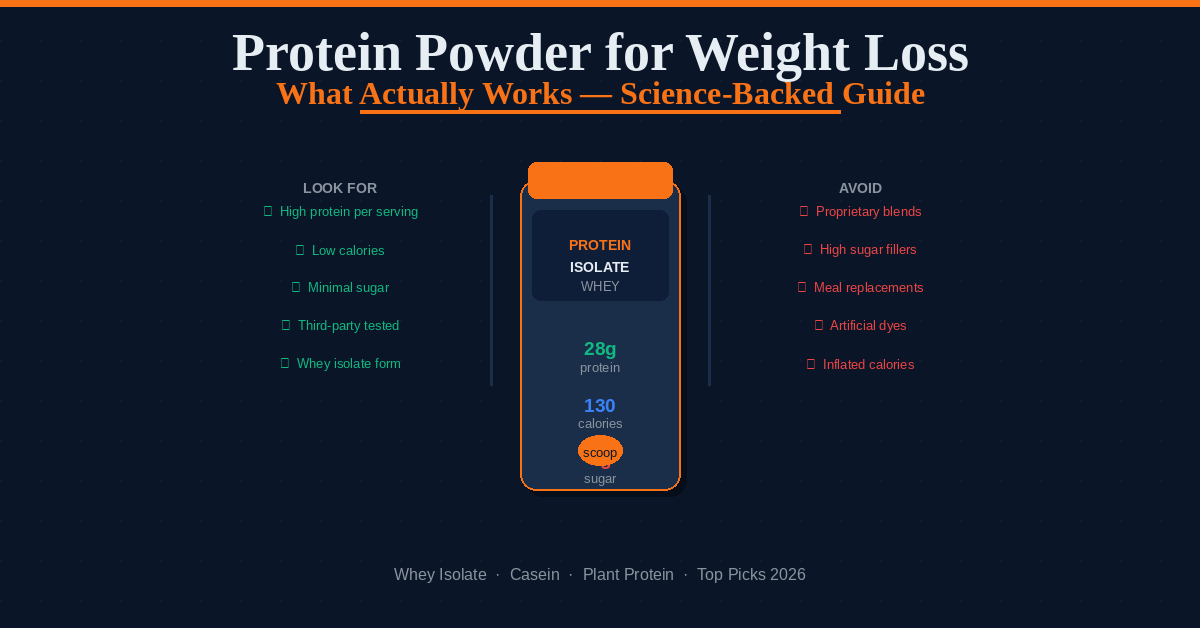
Best Protein Powder for Weight Loss: What Actually Works (2026)
The best protein powder for weight loss isn’t the one with the flashiest marketing – and protein powder won’t work miracles on its own. Let’s get that out of the way immediately. No supplement does. But protein powder is one of the most genuinely useful tools for people trying to lose weight – not because of anything magical, but because of basic nutrition science. High protein intake preserves muscle during a calorie deficit, increases satiety, boosts metabolism through the thermic effect of food, and makes hitting your daily protein targets dramatically easier. This guide covers what protein powder actually does for weight loss, what to look for when buying, and the best options available in 2026.
Note: This post contains affiliate links. If you buy through our links we may earn a commission at no extra cost to you.
How protein powder helps with weight loss
Protein is one of the most important macronutrient for weight loss – not because it burns fat directly but because of what it does to your body composition and hunger levels during a calorie deficit.
Muscle preservation during a deficit – When you cut calories your body can break down muscle tissue for energy alongside fat. Higher protein intake signals your body to preserve lean muscle mass and preferentially burn fat instead. Research consistently shows that people who maintain high protein intake during weight loss retain significantly more muscle than those eating lower protein – and more muscle means a higher resting metabolic rate, which makes continued weight loss easier.
Satiety and hunger control – Protein is the most satiating macronutrient. A study published in the American Journal of Clinical Nutrition found that increasing protein to 30% of calories reduced spontaneous calorie intake by 441 calories per day – without any deliberate restriction. Protein activates hunger-suppressing hormones including GLP-1 and PYY while reducing ghrelin, the hormone that drives hunger. A protein shake between meals or as a meal replacement is genuinely effective at reducing overall calorie intake.
Thermic effect of food – Your body burns more calories digesting protein than it does digesting fat or carbohydrates. Protein has a thermic effect of 20-30% – meaning roughly 25 calories are burned for every 100 calories of protein consumed. Fat and carbohydrates burn only 5-10% in comparison. This is a modest but real metabolic advantage.
Hitting protein targets consistentl -. The practical problem with weight loss diets is that they make it harder to hit protein targets – you’re eating less food overall, making it easier to fall short. Protein powder is the most calorie-efficient way to add high-quality protein without significantly increasing overall calories.
What to look for in a protein powder for weight loss
Not all protein powders are equal when it comes to weight loss. Here’s exactly what to prioritize:
High protein per serving – aim for 20-28g – Every gram of protein in your shake displaces a gram of fat or carbohydrate. Look for products delivering at least 20g per serving with minimal calories from fat and sugar.
Low calories per serving – under 150 calories – Some protein powders pack 200-300 calories per serving with added carbohydrates, fats, and sugars that undermine your calorie deficit. For weight loss specifically you want the protein without the extra caloric load. Whey protein isolate typically delivers 110-130 calories per 25-28g of protein – the gold standard ratio.
Minimal sugar – under 3g per serving – Many flavored protein powders contain 5-10g of added sugar per serving. This adds unnecessary calories and can trigger cravings. Look for products sweetened with stevia or monk fruit, or simply choose unflavored.
Third-party tested – The supplement industry is unregulated – products can contain significantly less protein than labelled, plus undisclosed ingredients and contaminants. Look for NSF Certified for Sport, Informed Sport, or Informed Protein certification. These certifications verify that what’s on the label is actually in the product.
Short ingredient list – The best protein powders for weight loss have three to five ingredients – protein source, emulsifier, natural sweetener, flavoring. Proprietary blends, fillers, and unnecessary additives add calories without adding value.
Whey isolate vs whey concentrate for weight loss
This is one of the most important distinctions for anyone using protein powder specifically for weight loss.
Whey protein isolate is processed to remove most of the fat and lactose, leaving a product that is typically 90%+ protein by weight with very low calories per gram. Whey protein concentrate retains more fat and carbohydrates and is usually 70-80% protein by weight with more calories per gram. For weight loss whey isolate is the clear choice – higher protein density, fewer calories, lower fat and sugar content, and easier on the stomach for anyone with mild lactose sensitivity.
The trade-off is cost – isolate is generally 20-30% more expensive than concentrate. For people prioritizing weight loss this premium is worth paying. If budget is a genuine constraint whey concentrate still works – just check the nutrition label carefully and choose a product with minimal added sugars.
What about casein protein for weight loss?
Casein is the slow-digesting protein found in milk – it forms a gel in the stomach and releases amino acids gradually over 5-7 hours. This makes it particularly useful for weight loss in two specific situations.
First, taken before bed it provides a sustained supply of amino acids overnight which reduces muscle breakdown during the overnight fast – directly supporting muscle preservation during a calorie deficit. Second, its slow digestion makes it more satiating than whey – a casein shake keeps you fuller for significantly longer. If hunger management is your primary challenge with weight loss, casein taken as a meal replacement or between meals is worth considering alongside your post-workout whey.
Plant protein for weight loss – who should use it
Plant-based protein powders – primarily pea, rice, and hemp – are viable weight loss tools for vegans, vegetarians, and anyone with dairy intolerance. The main consideration is amino acid completeness. Most plant proteins lack sufficient levels of one or more essential amino acids on their own – pea protein is low in methionine, rice protein is low in lysine. Quality plant protein products address this by blending pea and rice protein together to create a complete amino acid profile.
Calorie and protein content in plant proteins varies more widely than whey – check the label carefully. A good plant protein for weight loss should deliver at least 20g of protein per serving under 150 calories, with minimal added sugar. For a deeper comparison of whey and plant protein see our whey vs plant protein guide.
Best protein powders for weight loss (2026)
Transparent Labs 100% Grass-Fed Whey Protein Isolate – The best overall choice for weight loss. Delivers 28g of protein per 130-calorie serving with just 1g of sugar and 1g of fat – one of the best protein-to-calorie ratios available. No artificial sweeteners, colors, or preservatives. Informed Choice certified and third-party tested for heavy metals with results publicly published. Available in 18 flavors. The premium price per serving is justified by the ingredient quality and testing transparency.
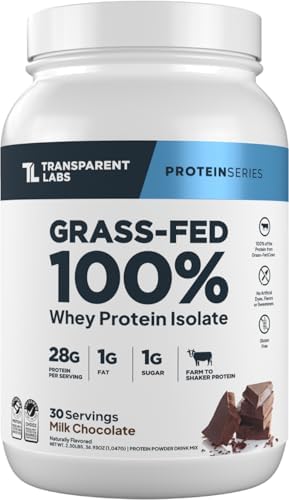
- Naturally Flavored Clean Protein Powder: Made from naturally-fed, hormone-free whey, free of artificial sweeteners, food…
- 28g of Protein Per Serving: Transparent Labs Whey Protein Isolate is sourced from 100% grass-fed, grass finished America…
- Enhance Recovery, Increase Strength: Transparent Labs 100% Grass-Fed Whey Protein Isolate gives you a highly bioavailabl…
Best for: Anyone prioritizing maximum protein per calorie with clean ingredients and full third-party testing.
Optimum Nutrition Gold Standard 100% Whey – The best mainstream option for weight loss. Delivers 24g of protein per 120-calorie serving – an excellent ratio at an accessible price point. Available in over 20 flavors with consistent quality across all of them. Informed Sport certified. The most widely trusted protein powder brand in the world and one of the best value options for daily weight loss supplementation.

- 24 g High-Quality Whey Protein per Scoop – 100% of the protein from whey for a fast-absorbing, complete protein source t…
- 5.5 g Naturally-Occurring BCAAs + 11g of naturally occurring EAAs – Delivers essential amino acids including leucine, is…
- Low Sugar, Low Carb, Low Fat — Ideal for Lean Muscle or Cutting Phases – With just ~1 g sugar, ~3 g carbs per serving, a…
Best for: Beginners, anyone wanting a proven mainstream brand at good value.
Naked Whey Protein – The best clean label option for weight loss. Made from grass-fed whey with just three ingredients – whey protein, sunflower lecithin, and natural flavoring in flavored versions. No artificial sweeteners, colors, or additives. Delivers 25g of protein per serving. Third-party tested. Naked Nutrition’s entire brand philosophy aligns with exactly the ingredient transparency our readers want when managing calories carefully.

- ONLY ONE INGREDIENT: 100% Grass Fed Pure Whey Protein with zero additives. Naked Whey has no artificial sweeteners, flav…
- ALL NATURAL WHEY: Our Grass Fed Whey is sourced from small non-GMO dairy farms to bring you a non-denatured whey packed …
- MAXIMUM NUTRITION: 25g of protein, 2g sugar, 3g carbs, 120 calories, and 5.9g BCAAs per serving. As an NSF Certified pro…
Best for: Anyone who wants the cleanest possible ingredient list with no artificial additives.
BulkSupplements Whey Protein Isolate – The best budget option for weight loss. Pure whey isolate powder with no fillers, additives, or flavorings – just protein. Delivers approximately 25g of protein per serving at the lowest cost per gram available anywhere. Unflavored which makes it easy to add to smoothies, oats, or coffee without affecting taste. Third-party tested for purity. If cost per gram is your primary concern this is the clear choice.
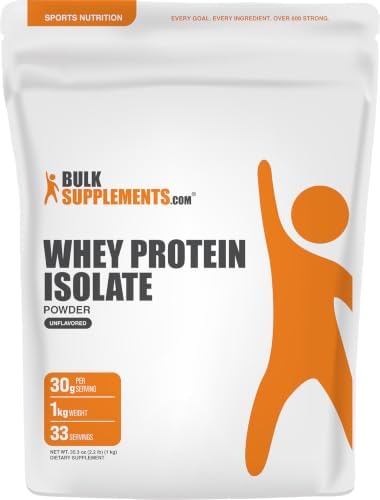
- High Absorption Protein Support: Each 30-gram serving of Whey Protein Isolate powder delivers a concentrated protein sou…
- Recovery and Performance Support: Whey Protein Isolate powder, which is an unflavored protein powder, is often included …
- No Added Sweeteners: This Whey Protein Isolate Powder contains no added sugar or sweeteners, as shown on the Nutrition F…
Best for: Budget-conscious buyers, anyone adding protein to food rather than drinking it as a shake.
Orgain Organic Plant Protein – The best plant-based option for weight loss. Delivers 21g of protein per 150-calorie serving from a blend of organic pea, brown rice, and chia seed protein – providing a complete amino acid profile. USDA certified organic, no artificial ingredients, and available in several flavors. One of the most accessible plant proteins in mainstream retail making it easy to find and restock. For a dairy-free or vegan weight loss approach this is our top pick.

- CLEANER INGREDIENTS: 21g of Organic plant based protein and 1g sugar. Our protein blend contains Organic peas, brown ric…
- HIGHER STANDARDS: This product is vegan, contains no erythritol, gluten-free, kosher, made without soy ingredients & Non…
- USDA ORGANIC & CERTIFIED PLANT-BASED: To ensure we are delivering on high-quality products, we use third parties to veri…
Best for: Vegans, vegetarians, anyone with lactose intolerance or dairy sensitivity.
How much protein do you need for weight loss?
The research on protein intake for weight loss points clearly to 0.7-1g per pound of bodyweight per day as the optimal range – higher than general population recommendations and specifically calibrated to preserve muscle during a calorie deficit. For a 150lb person that means 105-150g of protein daily. Most people eating a standard diet consume 60-80g – well short of what’s needed for optimal muscle preservation during weight loss.
Protein powder bridges this gap efficiently. One to two shakes per day adding 25-50g of high-quality protein makes hitting the upper end of the range realistic without dramatically increasing food volume or calories. Timing matters less than total daily intake – the most important thing is hitting your target consistently every day. For a complete guide to protein fundamentals see our best protein powder for beginners guide.
Frequently asked questions
Does protein powder make you fat?
No – protein powder itself does not cause fat gain. Fat gain occurs from consuming more calories than you burn regardless of the source. Protein powder is one of the lowest-calorie ways to increase protein intake – typically 110-130 calories per 25-28g serving. Used as a replacement for higher-calorie foods rather than as an addition to your existing diet it actively supports weight loss rather than hindering it.
When should I take protein powder for weight loss?
Timing is less important than total daily intake. That said, the most effective uses for weight loss specifically are post-workout to support muscle preservation, as a meal replacement when you would otherwise skip a meal or eat something higher in calories, and between meals when hunger peaks. If hunger management is your main challenge take it before your most difficult meal of the day.
Is whey isolate or concentrate better for weight loss?
Whey isolate is better for weight loss. It delivers more protein per calorie, contains less fat and sugar, and is easier to digest. The higher cost is worth paying if weight loss is your primary goal. Whey concentrate still works well – just choose a product with minimal added sugars and check the calories per serving carefully.
Can I use protein powder as a meal replacement for weight loss?
Yes – a well-made protein shake can serve as a meal replacement, particularly for breakfast or lunch. To make it more complete add healthy fats such as nut butter or avocado and fiber from fruit or oats. A pure protein shake alone lacks the micronutrients, fiber, and satiety-promoting fat of a balanced meal – adding these components makes it a genuinely adequate meal replacement rather than just a protein hit.
Is plant protein or whey better for weight loss?
Both work effectively for weight loss when protein and calorie targets are matched. Whey protein isolate has a slight edge in protein content per calorie and amino acid completeness. Plant protein is equally valid for anyone who is vegan, lactose intolerant, or simply prefers to avoid dairy. The best protein powder for weight loss is the one you will use consistently – preference and digestive tolerance matter more than marginal differences in protein quality.
The bottom line
Protein powder is one of the most practical and evidence-backed tools for weight loss – not because it burns fat but because it makes the conditions for fat loss easier to maintain. Higher protein intake preserves muscle, reduces hunger, boosts metabolism slightly, and helps you hit daily protein targets on restricted calories. Choose whey protein isolate for the best protein-to-calorie ratio, look for third-party testing, and keep the ingredient list short. Used consistently alongside a moderate calorie deficit and resistance training, a quality protein powder makes the difference between losing fat and losing muscle during weight loss. For a full protein supplementation foundation see our best protein powder for beginners guide.