BCAAs vs EAAs: Which Amino Acid Supplement Is Worth It? (2026)
Walk into any supplement store and you’ll see entire shelves dedicated to amino acid supplements. BCAAs have been a gym staple for decades. EAAs are the newer option gaining ground – and the BCAAs vs EAAs debate has become a common question asked by beginners. Here’s the honest take – most people don’t need either if they’re already eating enough protein. If you are going to spend money on amino acids though, it’s worth understanding exactly what you’re buying and which one makes more sense for your goals.
Note: This post contains affiliate links. If you buy through our links we may earn a commission at no extra cost to you.
What are BCAAs?
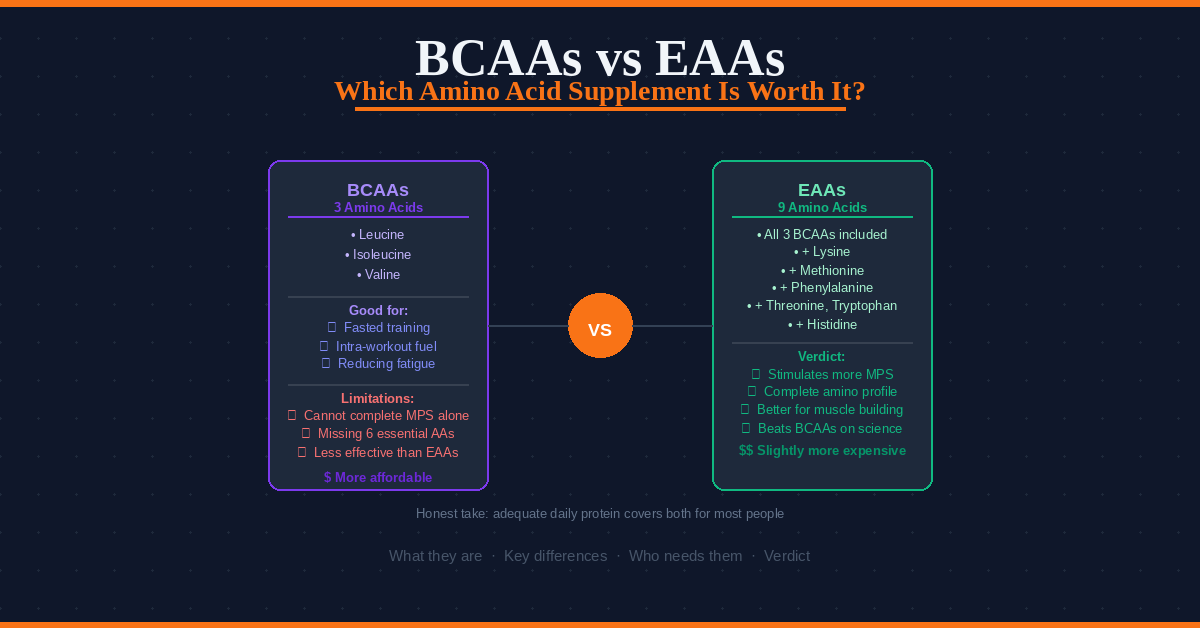
BCAAs stands for branched-chain amino acids – specifically leucine, isoleucine, and valine. They’re called branched-chain because of the shape of their molecular structure, which is different from other amino acids. What makes them unique is how your body processes them – BCAAs are metabolized directly in muscle tissue rather than the liver first, which means they’re available to your muscles faster during exercise.
Of the three, leucine is the most important. It’s the primary trigger for muscle protein synthesis – the process by which your muscles repair and grow after training. Isoleucine plays a role in glucose uptake during exercise. Valine helps with energy production and reducing central fatigue. The 2:1:1 ratio of leucine to isoleucine to valine found in most BCAA supplements is based on research suggesting this ratio best supports the balance of all three functions.
BCAAs are found naturally in all complete protein sources – meat, fish, dairy, and eggs. A scoop of whey protein contains roughly 5-6g of BCAAs. The appeal of BCAA supplements is the convenience of getting them quickly before or during training without consuming a full protein shake.
What are EAAs?
EAAs stands for essential amino acids – the nine amino acids your body cannot produce on its own and must get from food or supplements. The nine EAAs are leucine, isoleucine, valine (the three BCAAs), plus lysine, methionine, phenylalanine, threonine, tryptophan, and histidine.
The key point is that EAAs include everything BCAAs offer plus six additional essential amino acids. Those six additional amino acids are not passive bystanders – they’re required to actually complete muscle protein synthesis. Leucine triggers the process, but building new muscle tissue requires the full set of amino acids as raw material. Without them the process starts but can’t finish.
EAAs also support functions beyond muscle – lysine is critical for collagen and connective tissue, methionine supports detoxification, tryptophan is a precursor to serotonin which affects mood and sleep. This broader function set makes EAAs a more complete supplement by definition.
BCAAs vs EAAs – why it matters for muscle building
Here’s where the science gets interesting. Leucine – the BCAA most responsible for triggering muscle protein synthesis – does initiate the signalling cascade that tells your muscles to grow. But triggering the process and completing it are two different things.
Research published in the Journal of the International Society of Sports Nutrition confirmed that muscle protein synthesis requires all essential amino acids as building blocks. BCAAs can start the engine but without the other six EAAs the body has to draw on existing amino acid pools – essentially breaking down other tissue to source the missing amino acids. This limits how effective BCAAs alone can be.
A meta-analysis examining research from 1985 to 2017 found zero human studies where BCAA supplementation alone produced more efficient protein synthesis than a complete protein source. That’s a striking finding given how heavily BCAAs have been marketed over the past three decades.
EAAs by contrast provide everything required to complete the process. Studies consistently show that EAA supplementation stimulates significantly greater muscle protein synthesis than BCAAs alone at equivalent doses. For anyone whose primary goal is building muscle, EAAs are the scientifically superior choice between the two.
Where BCAAs still make sense
The science strongly favors EAAs for muscle building but BCAAs aren’t completely without value. There are specific situations where they’re a reasonable choice.
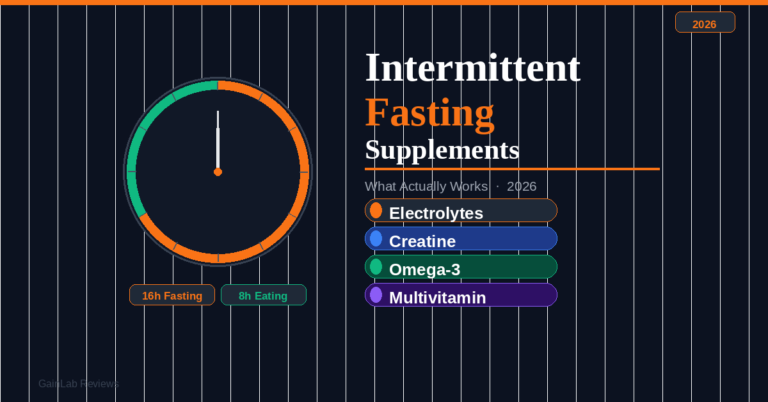
Fasted training – If you train first thing in the morning without eating – which some people do for intermittent fasting or simply personal preference – taking BCAAs before your session can reduce muscle protein breakdown during exercise. You’re not providing a complete signal for muscle growth but you are providing some protection against catabolism. EAAs are actually better here too, but BCAAs are cheaper and still provide meaningful protection.
Intra-workout hydration – Many BCAA products include electrolytes making them a useful intra-workout drink during long or intense sessions. The BCAAs support muscle endurance and reduce central fatigue while the electrolytes support hydration. For this specific use case – sipping during training rather than building muscle post-workout – BCAAs are a practical and affordable option.
Already eating plenty of protein – If your daily protein intake is consistently high – 1.6-2.2g per kilogram of bodyweight per day – you’re already getting plenty of BCAAs and EAAs from whole food sources. In this scenario adding a BCAA supplement provides minimal additional benefit but some people use them as a low-calorie flavoured drink replacement for pre-workout or intra-workout hydration. That’s a legitimate use even if it’s not the muscle-building mechanism being marketed.
Do you need either – the honest answer
Most people eating adequate protein don’t need BCAA or EAA supplements at all.
A chicken breast, a scoop of whey protein, a cup of Greek yogurt – all of these contain the full spectrum of essential amino acids including all three BCAAs in quantities that exceed what any supplement delivers per serving. If you’re hitting your daily protein target from whole foods or a quality protein powder you’re already getting everything BCAAs and EAAs provide, plus additional nutrients those supplements don’t contain.
The situations where amino acid supplements provide genuine value are narrower than marketing suggests – primarily fasted training, very low protein diets, or calorie-restricted cutting phases where protein intake is intentionally limited. For the majority of people who train regularly and eat sufficient protein, spending money on BCAAs or EAAs is largely optional.
If you’re not yet hitting your daily protein target consistently, spending money on a quality protein powder will deliver far more benefit than any amino acid supplement. See our best protein powder for beginners guide for a full breakdown of where to start.
BCAAs vs EAAs vs protein powder – the hierarchy
This is the most useful framework for thinking about amino acid supplements:
Protein powder first – A complete protein source – whey, casein, or a quality plant blend – delivers all nine EAAs plus additional nutritional value in each serving. It’s more cost-effective per gram of amino acids than any dedicated amino acid supplement and provides broader nutritional support.
EAAs second – if you need amino acids specifically – For situations where you want fast-absorbing amino acids without the calories of a full protein shake – fasted training, intra-workout, periods of low appetite – EAAs are the better choice over BCAAs. You’re getting everything BCAAs offer plus the complete set of building blocks to actually finish muscle protein synthesis.
BCAAs third – specific use cases only. Intra-workout drinks with electrolytes, fasted training on a tight budget, or simply preference for a lower-cost amino acid supplement. BCAAs aren’t harmful and serve a purpose – they’re just scientifically inferior to EAAs for muscle building and inferior to protein powder for overall value.
For a full overview of BCAAs specifically including product recommendations see our best BCAAs guide.
Best amino acid supplements (2026)
Best BCAA supplement – Xtend Original BCAA Powder – The most widely used BCAA supplement on the market and the benchmark for the category. Xtend delivers 7g of BCAAs per serving in a 2:1:1 ratio with 2.5g of glutamine and a solid electrolyte profile. Sugar free, widely available, good flavour range. If you want a BCAA supplement for intra-workout use specifically this is the most proven option available.
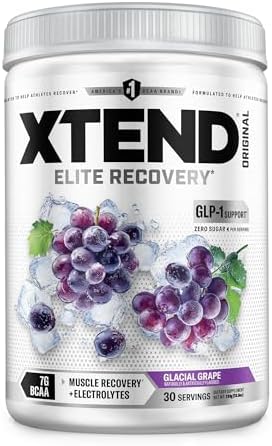
- THE WORLD’S #1 BCAA BRAND: XTEND leads global recovery with 7g of BCAAs in the proven 2:1:1 ratio to support muscle repa…
- FASTER MUSCLE RECOVERY: Clinically studied branched chain amino acids help protect lean muscle, speed post‑workout repai…
- ELECTROLYTES FOR HYDRATION: Features essential electrolytes to support hydration, endurance, and training volume. A refr…
Best for: Intra-workout hydration and endurance, fasted training on a budget, anyone who simply prefers BCAAs and wants the most trusted product in the category.
Best EAA supplement – Xtend Elite EAA + BCAA – Xtend delivers all nine essential amino acids (EAAs) plus BCAAs in one formula – 10g of EAAs per two servings – alongside their proven electrolyte blend for hydration. Good flavour, solid mixability, and widely available on Amazon. A practical step up from standard BCAAs that gives you the complete amino acid profile your muscles need to finish the job.
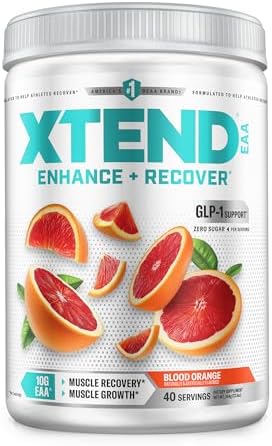
- MUSCLE GROWTH UNLOCKED – Amino Acids for muscle growth with 10g per 2 servings of EAAs for unlocking your best results.
- BUILD & PRESERVE MUSCLE MASS – Supports growth and lean muscle mass with essential amino acids and BCAAs for optimal wor…
- MUSCLE GROWTH & RECOVERY – 9 Essential Amino Acids for a complete protein source for muscle growth and recovery.
Best for: Anyone looking to upgrade from BCAAs to a complete EAA formula without switching brands, and anyone who wants intra-workout amino acid and electrolyte support in one product.
Frequently asked questions
BCAAs vs EAAs – which is better for muscle growth?
EAAs are better for muscle growth because they provide all nine essential amino acids required to complete muscle protein synthesis. BCAAs trigger the process through leucine but can’t finish it without the other six essential amino acids. Research shows EAAs stimulate significantly greater muscle protein synthesis than BCAAs alone. If muscle building is the goal choose EAAs – or better yet a quality protein powder which provides the same amino acids plus additional nutritional value.
Can you take BCAAs and EAAs together?
You can but there’s limited reason to. EAAs already contain all three BCAAs – taking both is largely redundant. If you want the fast muscle metabolism of BCAAs combined with the completeness of EAAs you’re better off just taking EAAs and getting both in one supplement. Some athletes use BCAAs intra-workout for flavor and hydration while using EAAs post-workout for recovery – that’s a legitimate approach but not necessary for most people.
When should you take EAAs?
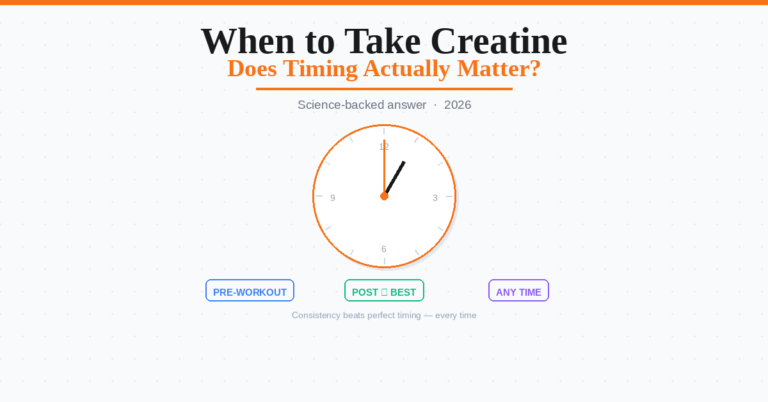
EAAs are most useful around training – before, during, or after your session depending on your goals and eating schedule. For fasted training take them 15-30 minutes before to reduce muscle breakdown during the session. Post-workout they support muscle repair and recovery. On rest days they’re largely unnecessary if your protein intake is adequate from whole foods.
Are BCAAs a waste of money?
For most people eating adequate protein – yes, largely. The amino acids in a BCAA supplement are already present in any complete protein source you eat. A chicken breast or protein shake covers everything a BCAA supplement provides and more. The one scenario where BCAAs genuinely earn their place is fasted training – if you regularly train first thing without eating, BCAAs provide meaningful protection against muscle breakdown at a lower cost than EAAs.
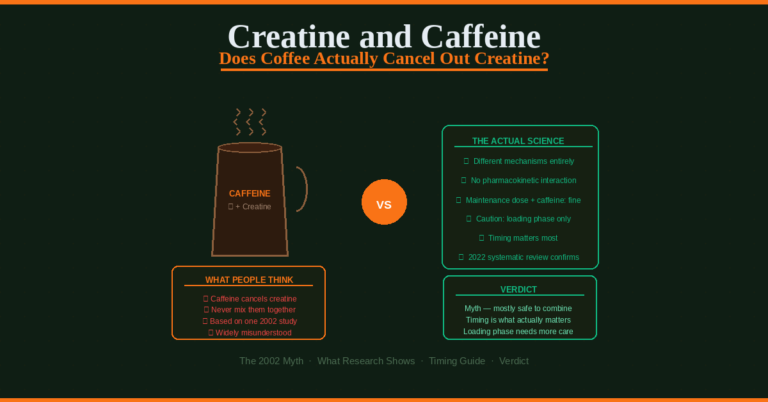
How do BCAAs and EAAs compare to creatine?
They work through completely different mechanisms and aren’t directly comparable. Creatine improves strength and power output by increasing phosphocreatine availability for ATP regeneration – it’s a performance enhancer. BCAAs and EAAs provide amino acid building blocks for muscle repair. Creatine has significantly stronger evidence for improving measurable performance than either amino acid supplement. If you’re choosing between creatine and amino acid supplements, creatine delivers more consistent, measurable results for most people who train. See our creatine monohydrate beginners guide for the full picture.
The bottom line
EAAs beat BCAAs on the science – there’s no honest way to argue otherwise. If you’re going to spend money on amino acid supplements, EAAs give you everything BCAAs offer plus the complete set of building blocks your muscles need to finish the job. That said, neither is essential if you’re already eating enough protein. A quality protein powder delivers better value per gram of amino acids than either supplement and provides broader nutritional support. The supplement hierarchy is clear – protein first, EAAs second if you need fast amino acids without the calories, BCAAs third for specific intra-workout use. Spend your supplement budget in that order and you won’t go wrong.